The post Blast from the Past: Loyalty Programs from the 1980s to Present appeared first on Sparta Loyalty is Europe's leading Omnichannel Loyalty Ecosystem provider.
]]>The 1980s: A Milestone for Vertical-Specific Loyalty Models
The 1980s marked a significant turning point in the development of loyalty programs. During this decade, businesses introduced vertical-specific models, focusing on particular industries like aviation and hospitality. Frequent flyer and hotel rewards programs were designed to reward loyal customers and gather invaluable data[4].
The Frequent Flyer Revolution
Widely regarded as the precursor of the modern era of loyalty programs, American Airlines’ Frequent Flyer program was launched in 1981. It broke new ground by offering “miles” for every flight taken, which could be redeemed for free flights or upgrades. The program leveraged sophisticated databases, allowing customers to track their miles and earn bonuses for reaching particular milestones[4].
Dual Benefits: Consumers and Businesses
While it’s apparent that loyalty programs offer numerous perks to consumers—such as discounts, free products, and exclusive events—they also serve as strategic tools for businesses. Analyzing customer participation and preferences helps companies refine their business models, identify strengths and weaknesses, and innovate new products or services[4].
Loyalty Programs as Economic Stabilizers

Another salient feature of loyalty programs is their ability to safeguard a business during economic crises. Offering discounts and other incentives, such programs encourage customer retention and spending, providing a financial cushion for businesses[6]. For instance, during the 1980s recession, American Airlines’ Frequent Flyer program not only survived but thrived, proving to be one of the most successful programs ever[2][6].
More Than Just Rewards: Data and Insights

Although they may seem merely to reward customer loyalty, modern loyalty programs are primarily designed to acquire data. Every interaction provides invaluable customer information businesses can use to gain deeper insights into consumer behavior and preferences[7].
Late 1980s: Birth of New Movements

The late 1980s witnessed two critical movements in loyalty programs that are still growing. First was the introduction of coalition loyalty programs, allowing customers to earn rewards across multiple brands. Second, the era marked the emergence of non-transactional loyalty programs, which extended tips for customer actions beyond purchases, such as social media engagement and reviews[3].
The Cultural and Psychological Impact

Loyalty programs have also left an indelible mark on culture and psychology. They have altered our perception of brand loyalty and consumerism, making loyalty cards and rewards apps ubiquitous in modern life[1].
The Resilience and Future of Loyalty Programs
In conclusion, loyalty programs have proven to be more than just marketing tactics; they are complex frameworks impacting consumer behavior and business strategies. They also serve as a bulwark against economic downturns and a tool for generating critical consumer data. These benefits make them essential for the sustainability and growth of businesses across industries.
Whether through the pioneering frequent flyer programs of the 1980s or today’s data-driven, AI-enabled systems, loyalty programs remain an integral part of the business landscape. They are an enduring testament to the symbiotic relationship between consumer behavior and business innovation.
References
1. Moving Your Loyalty Program Out of the 1980s – CSP Daily News
2. A brief look into How Economic Crises affect Loyalty Programs – The Media Bulletin
3. The History of Loyalty Programs, Part One – Kobie Marketing
4. The History of Customer Loyalty Programs – Stuzo
5. The True History Of Loyalty Programs – Loyalty Reward Co
6. Build Customer Loyalty After Crisis: Loyalty Programs as a Lifeline – Zinrelo
The post Blast from the Past: Loyalty Programs from the 1980s to Present appeared first on Sparta Loyalty is Europe's leading Omnichannel Loyalty Ecosystem provider.
]]>The post The AI Revolution in Loyalty Marketing: Unveiling Future Potential appeared first on Sparta Loyalty is Europe's leading Omnichannel Loyalty Ecosystem provider.
]]>1. Personalization: Paving the Path to Loyalty Nirvana:
The first crucial finding from scholarly sources emphasizes that AI’s real magic lies in its ability to personalize customer experiences, significantly impacting customer loyalty[1]. AI can analyze vast amounts of customer data, unearthing valuable insights that allow businesses to understand individual preferences and behavior on a deeper level. By leveraging this knowledge, companies can create personalized recommendations and offers, elevating customer experiences to new heights. The power of personalization builds emotional connections with customers, fostering a sense of loyalty and commitment to the brand.
2. Competitor Analysis: Decoding Customer Expectations:
AI tools have the prowess to bring data-driven insights to the forefront, enabling businesses to perform in-depth competitor analysis[2]. This analysis goes beyond surface-level understanding, delving into the performance of competitor campaigns and customers’ evolving expectations. Armed with this invaluable information, loyalty programs can be fine-tuned and optimized to surpass customer expectations and outperform rival offerings. Competitor analysis powered by AI empowers businesses to make informed decisions, ensuring their loyalty marketing strategies stay one step ahead of the competition.
3. Customer Engagement: Elevating Experiences through AI:
The cornerstone of loyalty marketing lies in engaging customers and forging lasting connections. AI opens up many opportunities in this domain, revolutionizing how businesses interact with their customers[3][4]. AI-powered services can streamline business operations, freeing up resources to focus on personalized engagement strategies. Whether through AI-powered chatbots or sophisticated virtual assistants, these innovative approaches enhance customer experiences, making every interaction frictionless and delightful. The result profoundly impacts customer satisfaction, trust, and brand loyalty.
4. Efficiency: AI’s Cost-Effective Impact:
AI’s inherent efficiency is a gift that keeps on giving, offering operational optimization that leads to cost savings and increased revenue[5]. By automating routine tasks, optimizing processes, and improving decision-making, AI enables businesses to operate more efficiently. The impact of increased efficiency extends beyond the loyalty marketing domain, ultimately bolstering the organization’s bottom line. Embracing AI tools that enhance efficiency can free up valuable time and resources, allowing businesses to focus on strategic initiatives and creative aspects of loyalty marketing.
5. Marketing Strategy: Charting the Course with Data:

Data-driven decision-making is at the heart of successful marketing strategies, and AI empowers businesses to chart a path to success[6]. By analyzing customer data and market trends, AI can identify untapped opportunities, offer actionable insights, and shape marketing strategies that hit the bullseye. Armed with AI-driven data, loyalty marketing campaigns become more targeted, relevant, and effective. As AI evolves, marketers can expect even deeper insights that align marketing efforts with customers’ changing preferences and needs.
6. Customer Retention: Saving the Day with Targeted Offers:
AI’s predictive capabilities extend to customer retention, enabling businesses to identify customers who are at risk of leaving and provide targeted offers to win them back[1]. These personalized retention strategies fortify loyalty, increasing customer retention rates and overall satisfaction. AI’s ability to forecast customer behavior is pivotal in understanding churn triggers and proactively engaging at-risk customers, strengthening the bond between customers and the brand.
7. Predictive Analytics: Glimpsing into the Future:

AI-powered predictive analytics serve as a crystal ball, offering businesses a glimpse into the future of customer behavior and market trends[6]. Armed with predictive insights, marketers can anticipate customer needs, identify potential growth opportunities, and stay ahead of the competition. AI-powered predictive analytics allows businesses to act with foresight, aligning marketing strategies and loyalty programs with customers’ evolving preferences and expectations.
8. Customer Service: 24/7 Support for Customer Delight:
AI-powered chatbots and virtual assistants stand ready to cater to customer queries round-the-clock, providing unparalleled support and ensuring customers are heard and valued[5]. The availability of 24/7 customer service fosters customer satisfaction, loyalty, and brand advocacy. As AI advances, chatbots are becoming more sophisticated, offering natural language processing capabilities that seamlessly mimic human interactions.
Conclusion:
The scholarly sources leave no room for doubt – AI tools will profoundly impact loyalty marketing, reshaping customer experiences and driving businesses towards uncharted growth. The diverse applications of AI in loyalty marketing, from personalization and competitor analysis to predictive analytics and customer engagement, demonstrate the transformative potential of this revolutionary technology. As businesses continue to leverage AI in loyalty marketing, they will be better equipped to build stronger relationships with customers, foster brand loyalty, and achieve sustainable growth in the modern era.
Citations:
[1]https://www.researchgate.net/publication/371179296_
INFLUENCE_OF_ARTIFICIAL_INTELLIGENCE_AI_ON_CUSTOMER_EXPERIENCE_AND_LOYALTY_MEDIATING_ROLE_OF_PERSONALIZATION
[2] https://www.sciencedirect.com/science/article/pii/S2666603022000136
[3] https://www.ncbi.nlm.nih.gov/pmc/articles/PMC7306747/
[4] https://www.ncbi.nlm.nih.gov/pmc/articles/PMC9386451/
[5] https://journals.sagepub.com/doi/pdf/10.1177/14707853211018428
[6] https://link.springer.com/article/10.1007/s11747-020-00749-9
The post The AI Revolution in Loyalty Marketing: Unveiling Future Potential appeared first on Sparta Loyalty is Europe's leading Omnichannel Loyalty Ecosystem provider.
]]>The post The Power of Customer Loyalty Programs over 40 Years: Unlocking Growth in the Modern Era appeared first on Sparta Loyalty is Europe's leading Omnichannel Loyalty Ecosystem provider.
]]>Understanding the Key Benefits of Customer Loyalty Programs:
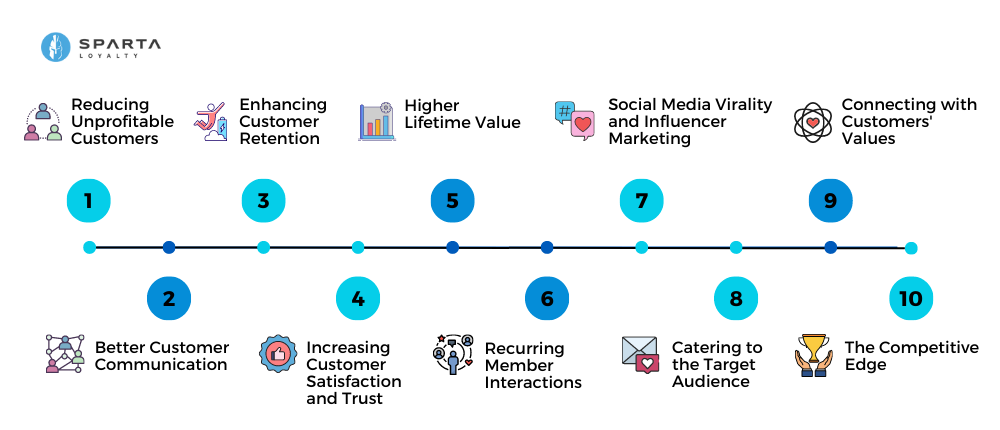
The meta-analysis highlights ten key benefits of implementing customer loyalty programs, each contributing to the overall growth and success of businesses:
Reducing Unprofitable Customers: One of the significant findings from the meta-analysis is that loyalty programs allow businesses to reward their most profitable customers while minimizing payouts to less profitable ones[1][6]. By strategically targeting and nurturing high-value customers, companies can optimize their return on investment and focus on building long-term relationships with their most valuable clientele.
Better Customer Communication: Integrating loyalty programs with advocate marketing tactics, such as rewarding customers for referrals and reviews, emerges as another essential benefit[1]. This approach helps businesses identify and engage their most loyal customers who willingly vouch for the brand. The resulting organic advocacy strengthens brand credibility and leads to valuable word-of-mouth marketing.
Enhancing Customer Retention: The meta-analysis establishes that loyalty programs positively influence customer retention and loyalty[4]. Operating as dynamic incentive schemes, these programs provide benefits based on cumulative purchasing, encouraging customers to return for repeat transactions and fostering a sense of attachment to the brand.
Increasing Customer Satisfaction and Trust: Another key takeaway is that the tangible benefits customers receive through loyalty programs directly impact their satisfaction with the program and, consequently, their trust in the brand[3]. Meeting customers’ expectations through rewards and incentives strengthens their emotional connection with the company.
Higher Lifetime Value: The meta-analysis reveals that loyalty programs strategically leverage rewards and incentives to encourage customers to make repeat purchases or increase their average order value, leading to higher lifetime value[5]. This translates into increased revenue for businesses over the long term.
Recurring Member Interactions: The introduction of gamification, challenges, and quizzes within loyalty programs creates recurring touchpoints and daily customer engagement [5]. Such interactive features foster a deeper relationship between customers and the brand, enhancing loyalty.
Social Media Virality and Influencer Marketing: Leveraging loyalty programs to reward customers who invite their peers generate positive word-of-mouth marketing, contributing to social media virality. Additionally, brands can offer exclusive perks and rewards to influencers, further expanding their reach and brand credibility[5].
Catering to the Target Audience: Constantly optimizing a loyalty program by incorporating elements that resonate with the target audience is crucial to reaching and engaging customers effectively[5]. Tailoring rewards and benefits ensures a personalized experience for each customer.
Connecting with Customers’ Values: Introducing features in loyalty programs that align with customers’ values creates a lasting impact and fosters stronger emotional connections[5]. Companies that demonstrate a shared commitment to essential values are likelier to build a loyal and passionate customer base.
The Competitive Edge: Beyond the benefits mentioned, the meta-analysis underscores the advantages loyalty programs can provide businesses. As customers become increasingly discerning and are presented with more options, loyalty programs will play an even more significant role in loyalty marketing. The insights from the meta-analysis indicate that businesses that implement effective customer loyalty programs will be better positioned to compete in the market and achieve sustainable growth.
The Critical Factors in Implementing Effective Customer Loyalty Programs:
To achieve the full potential of customer loyalty programs, businesses must consider critical factors during the implementation process:
Understanding the Target Audience: It is essential to have a deep understanding of the target audience’s preferences, behaviors, and expectations[5]. Conducting thorough market research and customer segmentation will help craft a loyalty program that resonates with the intended recipients.
Continuous Optimization: Loyalty programs must be dynamic and responsive to changing customer needs and market trends[5]. Regularly evaluating the program’s performance and gathering customer feedback will enable businesses to make necessary improvements over time.
Alignment with Customers’ Values: Incorporating elements in the loyalty program that align with customers’ values can profoundly impact their emotional connection with the brand[5]. Companies that demonstrate shared values with their customers are likelier to foster loyalty and long-term relationships.
Industry and Audience-Specific Customization: The effectiveness of a loyalty program can vary based on the specific industry and target audience. Therefore, it is vital to customize the program accordingly, addressing unique challenges and preferences within the sector [5].
The prognosis for the Future of Customer Loyalty Programs:
The meta-analysis’s prognosis indicates that customer loyalty programs will continue to be an effective solution in loyalty marketing. As customers become more discerning and have more options, loyalty programs will become increasingly important in retaining customers and building long-term relationships[5]. Companies that successfully implement and optimize these programs will be better equipped to compete in the market and achieve sustainable growth.
Conclusion:
In conclusion, the comprehensive meta-analysis on the effectiveness of customer loyalty programs highlights their immense potential in driving business growth and customer retention. As we move into 2023 and beyond, businesses must recognize the transformative power of loyalty programs in forging deep connections with their customers. By leveraging intricate knowledge relating to loyalty, Sparta Loyalty can guide enterprises in crafting impactful and results-driven loyalty programs that resonate with modern consumers and solidify their market position. As the business landscape evolves, customer loyalty will remain a cornerstone of success, and implementing well-optimized loyalty programs will continue to be a strategic imperative for businesses seeking sustainable growth in the modern era.
Citations:
[1] https://store.samhsa.gov/sites/default/files/d7/priv/pep19-01-01-005.pdf
[2]https://www.researchgate.net/publication/353914348_40_years_of_loyalty_programs_how_effective_are_they_Generalizations_from_a_meta-analysis
[3] https://www.sciencedirect.com/science/article/abs/pii/S0148296316304283
[4] https://www.linkedin.com/pulse/how-identify-remove-unprofitable-customers-jamil-shabir-
[5] https://mthink.com/legacy/www.crmproject.com/content/pdf/CRM2_wp_swift.pdf
[6]https://www.indeed.com/career-advice/career-development/customer-service-email-response-samples
The post The Power of Customer Loyalty Programs over 40 Years: Unlocking Growth in the Modern Era appeared first on Sparta Loyalty is Europe's leading Omnichannel Loyalty Ecosystem provider.
]]>The post The Barbie Movie: A Masterstroke of Marketing, Customer Loyalty, and Retail Strategy appeared first on Sparta Loyalty is Europe's leading Omnichannel Loyalty Ecosystem provider.
]]>At its core, the Barbie movie is more than just a product. It’s a narrative, telling a story about an iconic doll that transcends generations. Storytelling as a marketing tool must be considered – it commands attention, stirs emotions, and effectively drives customer loyalty. With a brand awareness of 99% worldwide, Barbie’s story strikes a chord of nostalgia with older audiences while captivating the imagination of younger viewers.
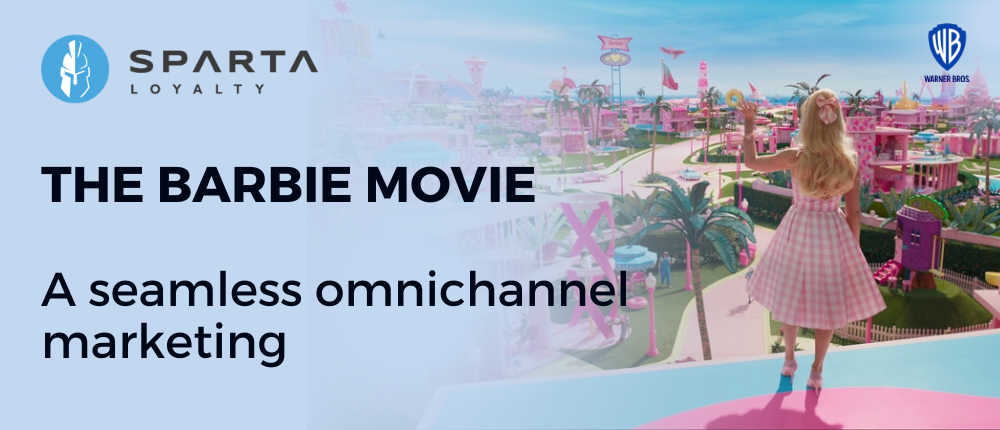
This emotional connection was further leveraged by the creative and comprehensive marketing campaign put together by Warner Bros., who spared no expense in turning the movie into a global sensation. The estimated cost of this marketing extravaganza was around $150 million, excluding the production budget of $145 million. Their efforts ranged from partnerships resulting in products like a bright fuchsia Xbox to a $1,350 Balmain cropped hoodie, embedding Barbie into the lifestyle of their consumers.
Mattel tapped into this emotional connection, leveraging the movie as a potent marketing channel to foster deeper customer loyalty. The film ingeniously portrayed Barbie as a symbol of empowerment and possibility, reinforcing Mattel’s branding and ethos. The movie’s broad appeal was evident in its partnerships, with brands from all corners, like Crocs and Progressive Insurance’s Flo, finding common ground in the color pink and Barbie’s empowering narrative.
Retail marketing took center stage as the movie drove a surge in merchandise sales. The brilliance of this approach lies in its immersion – the Barbie movie transformed into a 1-hour 57-minute advertisement for the product line, amplifying the correlation between the film and retail sales. Children leaving the theater were predictably more likely to request the latest Barbie doll or accessory, driving a spike in retail sales.
Further cementing its marketing masterstroke, the Barbie movie paved the way for seamless omnichannel marketing. Mattel ingeniously connected the dots between the film, social media campaigns, in-store promotions, and online merchandise, creating a consistent and pervasive Barbie brand presence. This multifaceted approach ensured that Barbie was not just on a store shelf, but everywhere a potential customer could be.
The film also served as a platform for bolstering customer loyalty marketing. An immersive brand experience strengthened emotional connections with consumers, stimulated engagement, and encouraged repeat purchases. This approach led to a loyal customer base that saw value in investing in a brand experience rather than merely buying a product.

But Mattel’s vision extended beyond immediate sales. The company took a long-term view by investing in future generations of customers. Children introduced to Barbie through the movie will likely develop into lifelong customers, carrying fond memories of the brand into adulthood. This long-term strategy underscores Mattel’s intelligent understanding of lifecycle marketing.
Adding another layer to this marketing spectacle, the coinciding release of Barbie and Oppenheimer has birthed the intriguing ‘Barbenheimer’ phenomenon, a testament to the unique bonding power of cinema. This unlikely pair – the enchanting allure of the Barbie universe and the mesmerizing genius of Nolan’s Oppenheimer – drew together an expansive, diverse audience. This coalition of fans from contrasting genres showcased the longing for the collective, immersive cinematic experience. This sentiment had lain dormant since the onset of the pandemic and the resultant shuttering of movie theaters. The simultaneous release acted as a beacon, a call to action for movie enthusiasts, successfully rekindling the thrill of the shared, in-theater experience and contributing to the revitalization of the film industry.
In conclusion, the new Barbie movie is more than just a cinematic success. It’s a strategic marketing masterpiece that deftly blends storytelling, retail marketing techniques, and customer loyalty principles to maximize engagement and sales. With the box office figures as a testament, it is a classic example of how understanding your audience and effectively utilizing all available channels can craft a holistic marketing strategy that stands the test of time.
Regardless of your stance on Barbie, this innovative approach offers valuable insights for marketers aiming to boost their marketing acumen. After all, marketing isn’t just about selling—crafting compelling stories that resonate with audiences and secure their loyalty.
The post The Barbie Movie: A Masterstroke of Marketing, Customer Loyalty, and Retail Strategy appeared first on Sparta Loyalty is Europe's leading Omnichannel Loyalty Ecosystem provider.
]]>The post The Evolution of CRM Management: The Vital Skills and Emerging Challenges in 2023 appeared first on Sparta Loyalty is Europe's leading Omnichannel Loyalty Ecosystem provider.
]]>The role of the CRM Manager has evolved significantly in recent years. Today, LinkedIn records over 200,000 professionals listing ‘CRM manager’ or ‘CRM marketing manager’ in their title, with more than 6,000 job opportunities available in the United States alone. Indeed further corroborates this with over 40,000 related job postings and an impressive average annual salary of $120,000. This growth underscores the rising importance of this profession. But why has the role of a CRM Manager become so significant?
Shifts in Sales Processes and the Growing Demand for CRM Managers
The surge in demand for CRM Managers can be attributed to changes in customer behavior and sales processes. The increasing influence of social media and Web 2.0 has transformed how customers purchase online. Statistics now indicate that customers follow an inbound path 85% of the time. Consequently, marketing teams are now tasked with building awareness and persuading decision-makers, which has led to the advent of numerous marketing automation tools.
When company executives devise their strategy and select KPIs, they require a CRM Manager to integrate these elements and operationalize the strategy seamlessly.
Defining the Role of a CRM Manager
The role of a CRM Manager can be nebulous due to variances in expectations within sales or marketing departments and the plethora of CRM tools and categories. Despite these differences, the CRM Manager’s core role revolves around customer engagement, primarily through marketing personalization.
To facilitate this, every CRM Manager must be proficient in data analytics, system integration, and understanding the marketing technology toolkit.
Understanding Data
Data analytics is the bedrock of personalized marketing. Traditionally, marketing efforts were mass-oriented, but today’s data-rich environment enables a more personalized approach. CRM marketers must therefore be adept at data analysis to optimize their target customer reach and manage media buying costs.
According to Gartner, integrating analytical techniques into most workflows will be commonplace, making data science the essence of marketing. Therefore, mastering how to design a data pipeline is crucial to stay ahead of competitors.
Data Collection and Integrity
Customer tracking involves collecting relevant customer information across multiple touchpoints like websites, emails, social media, and physical stores. However, with stricter data protection regulations like the GDPR, companies are now leaning towards a more controlled data minimization approach to prevent legal issues.
The quality of collected data can significantly impact the effectiveness of a data analytics pipeline. CRM managers must ensure data integrity, which involves validating data, detecting duplication, and ensuring accuracy and timeliness. Data cleansing processes may often be necessary to revise and eliminate duplicate entries, correct spelling mistakes, and add missing data.
Data Insights
Beyond data collection, CRM managers need to derive insights from the data. This process, known as business intelligence (BI), involves numerous approaches dependent on data quality, BI software, and data analyst expertise.
Businesses need to experiment to achieve marketing and sales goals, and data-driven experiments are cost-effective. These experiments consist of three components:
1. Business Metrics: These are parameters targeted for improvement, such as profitability, brand awareness, or customer retention.
2. Customer Segments: These are customer groups sharing specific characteristics used to test different hypotheses.
3. Data Visualization involves drawing insights from processed data and communicating them with other business stakeholders.
Essential Tech Skills
CRM managers must understand system integration and data storage to achieve advanced personalization. This includes knowing what a record, data model, and schema are and understanding when data migration is necessary and how its cost is estimated.
Additionally, CRM managers need to comprehend the fundamentals of servers and web customer tracking. They should also familiarize themselves with the marketing technology landscape. Given the large number of vendors in the market, selecting the right technology stack can be challenging. Consolidated platforms, like The Sparta Loyalty Platform, offer various integrated marketing tools, making them more user-friendly.
Alternatively, API-first solutions offer customizable building blocks that can be assembled to fit specific business needs. These platforms are designed for integration with other systems and typically have usage-based pricing.
But what about Web 3.0?
Web 3.0, often referred to as the semantic web or the Internet of Things (IoT), is predicted to profoundly transform many aspects of business, including the role of CRM (Customer Relationship Management) managers. Here are some ways in which the role of a CRM manager might evolve with the advent of Web 3.0:
Data-driven Decisions: With the development of Web 3.0, there will be a significant increase in the amount and diversity of data available. CRM managers will have access to a broader range of customer information, enabling them to create more precise customer profiles, predict customer behavior, and make more informed, data-driven decisions.
Personalized Customer Interactions: With the help of AI and machine learning technologies that are integral parts of Web 3.0, CRM managers can deliver more personalized customer experiences. They can use data to better understand customer preferences and needs, allowing for more targeted marketing, sales, and service initiatives.
Improved Customer Engagement: Web 3.0 enables more sophisticated and interactive platforms for customer engagement. For instance, through augmented reality (AR) or virtual reality (VR) technologies, businesses can provide unique, immersive experiences. CRM managers must leverage these technologies to enhance customer engagement and loyalty.
Enhanced Data Security: Web 3.0 is also set to enhance the decentralization and security of data, which is a critical concern in CRM. Managers must ensure they manage and protect customer data per these new technological standards.
Integration of IoT: CRM managers must integrate this technology into their strategies as the Internet of Things becomes more prevalent. IoT devices provide another touchpoint to gather data and engage with customers. For example, CRM managers could use data from a customer’s smart home devices to offer personalized service or product recommendations.
Shift Towards Decentralization: Web 3.0 is often associated with a shift towards decentralized networks and services, including blockchain technology. This could lead to more peer-to-peer interactions and impact how businesses manage customer relationships. CRM managers would need to adapt their strategies accordingly.
Remember, it’s essential for CRM managers and all other professionals to continually update their skills and knowledge to stay current in the rapidly evolving digital landscape. This includes understanding the impact and potential applications of technologies associated with Web 3.0
In Summary
A CRM Manager’s role is pivotal in modern marketing strategies. They manage customer relationships, understand and analyze data, integrate systems, and leverage technology to engage customers effectively. As the landscape continues to evolve, these professionals will remain essential in shaping the future of marketing and sales processes.
Unleash the power of loyalty and witness the transformation it brings to your retail business.
Remember, loyalty is not just a buzzword; it’s the foundation for long-term success in the dynamic world of retail. Together, let’s revolutionize customer experiences and drive your business forward. Contact Sparta Loyalty today to embark on your loyalty program journey.
The post The Evolution of CRM Management: The Vital Skills and Emerging Challenges in 2023 appeared first on Sparta Loyalty is Europe's leading Omnichannel Loyalty Ecosystem provider.
]]>The post Unlocking Luxury Value: The Impact of Emotional Intelligence and Artificial Intelligence on Customer Outcomes appeared first on Sparta Loyalty is Europe's leading Omnichannel Loyalty Ecosystem provider.
]]>1. Introduction
The luxury industry has garnered significant attention in marketing research, focusing on various dimensions of luxury value and their impact on consumer attitudes and behaviors. However, there is a gap in understanding the relationship between luxury value perceptions and attitudinal outcomes beyond purchase intention. Additionally, the influence of moderating factors such as EI and AI remains understudied. This article aims to address these gaps and shed light on the role of EI and AI in shaping luxury value perceptions and customer-based outcomes, utilizing insights from Sparta Loyalty solutions where relevant.
2. Measuring Luxury Value and Attitudinal Outcomes
Researchers have utilized the four-dimensional scale proposed by Wiedmann et al. (2007) to assess consumers’ perceptions of luxury brands. This scale includes dimensions such as quality, aesthetics, exclusivity, and personal identification. While previous studies have mainly focused on the connection between luxury perceived value and purchase intention, recent research by Hung et al. (2011) and Shahid and Paul (2018) has expanded the scope to include customer engagement, satisfaction, and loyalty as attitudinal outcomes.

3. The Impact of Owner-Based Luxury Value (OBLV)
Owner-Based Luxury Value (OBLV) refers to an individual’s perception of luxury value and its influence on attitudes and behaviors. Research indicates that OBLV positively affects customer engagement, satisfaction, and loyalty. Customers who perceive higher luxury value are more likely to actively engage with the brand, invest their resources, and become brand ambassadors by sharing their experiences with others. Sparta Loyalty Solutions recognize the significance of OBLV and leverage strategies to enhance customers’ perception of luxury value through personalized experiences and tailored rewards.
4. The Role of Emotional Intelligence (EI)
Emotional Intelligence, as proposed by Mayer and Salovey (1997), is the ability to monitor and manage emotions, both one’s own and others’. In the luxury industry, frontline employees are crucial in shaping customer perceptions and experiences. Studies have demonstrated that employees’ emotional competence, or EI, significantly impacts customer satisfaction, loyalty, and engagement. Emotionally competent employees can build rapport with customers, customize services to meet their needs, and create positive service encounters that result in higher levels of satisfaction and loyalty. Sparta Loyalty Solutions prioritize EI training for their staff to ensure exceptional customer service delivery.
5. The Influence of Artificial Intelligence (AI)
Artificial Intelligence (AI) has become increasingly integrated into various business operations, including customer interactions in the luxury industry. AI services, tangible and intangible, enhance the customer service experience and can positively impact customer satisfaction, loyalty, and engagement. AI tools enable efficient service delivery, personalized recommendations, and streamlined processes, contributing to improved service quality perceptions. Sparta Loyalty solutions utilize AI-driven algorithms to analyze customer data, identify preferences, and deliver personalized experiences that enhance luxury value perceptions.
6. The Moderating Effects of EI and AI
Limited research exists on the potential moderating effects of EI and AI on the relationship between luxury value perceptions and customer-based outcomes. However, it is suggested that AI services and EI exhibited by frontline employees can enhance the relationship between luxury value perceptions and attitudinal outcomes. AI services, with their reliability, accessibility, and comprehensiveness, can further augment customer engagement, satisfaction, and loyalty. Similarly, employees’ EI can positively shape customer experiences, leading to higher levels of satisfaction and loyalty. Sparta Loyalty solutions leverage the synergistic effects of EI and AI to create personalized and emotionally engaging customer experiences that drive loyalty and advocacy.
7. Conclusion
This research article has provided an in-depth exploration of the role of Emotional Intelligence and Artificial Intelligence in the luxury industry, specifically in relation to luxury value perceptions and customer-based outcomes. It emphasizes the importance of understanding attitudinal outcomes beyond purchase intention and highlights the positive impact of OBLV on customer engagement, satisfaction, and loyalty. Moreover, it underscores the significant roles of EI and AI as moderators, amplifying the effects of luxury value perceptions on attitudinal outcomes. By leveraging the insights from Sparta Loyalty Solutions, luxury brands can strategically integrate EI and AI to deliver exceptional customer experiences and foster enduring customer relationships.
Keywords: Luxury, Owner-Based Luxury Value (OBLV), Service encounter, Service quality, Artificial Intelligence (AI), Emotional Intelligence (EI), Customer engagement
References:
– Wiedmann, K.P., Hennigs, N., & Siebels, A. (2007). Measuring Consumers’ Luxury Value Perception: A Cross-Cultural Framework. Academy of Marketing Science Review, 7(1), 1-24.
– Hung, K., Li, S.Y., Tse, A.C., & Deng, S. (2011). Luxury Brand Marketing – The Experience is Everything! Journal of Brand Management, 18(8), 641-658.
– Shahid, M.A., & Paul, J. (2018). Impact of Perceived Value on Customer Satisfaction and Loyalty: Role of Gender and Age. Journal of Retailing and Consumer Services, 40, 152-160.
– Mayer, J.D., & Salovey, P. (1997). What is Emotional Intelligence? In P. Salovey & D. Sluyter (Eds.), Emotional Development and Emotional Intelligence: Educational Implications (pp. 3-31). Basic Books.
The post Unlocking Luxury Value: The Impact of Emotional Intelligence and Artificial Intelligence on Customer Outcomes appeared first on Sparta Loyalty is Europe's leading Omnichannel Loyalty Ecosystem provider.
]]>The post Enhancing Customer Loyalty: Contrasting AI Use in Loyalty Programs and Customer Service appeared first on Sparta Loyalty is Europe's leading Omnichannel Loyalty Ecosystem provider.
]]>AI Empowering Loyalty Programs
Businesses have long utilized loyalty programs to cultivate customer loyalty and retention. With the power of AI, these programs can be significantly enhanced through customer profiling, segmentation, and sales prediction. Employing AI algorithms like support vector machines (SVM), businesses can model customer behavior, predict responses, and optimize marketing strategies. The process involves employing data mining techniques, data acquisition, preprocessing, feature engineering, selection, class balancing, model training, and evaluation. By harnessing AI, businesses can gain valuable insights into customer preferences, improve personalization, and effectively tailor loyalty rewards and promotions.
Addressing Limitations and Future Work in AI-based Loyalty Programs
While AI holds immense potential for loyalty programs, limitations exist. The accuracy and effectiveness of AI algorithms depend on data availability, and limited datasets may not yield fully representative results. Additionally, further research is needed to enhance the interpretability of AI models and gain a deeper understanding of customers’ purchasing decisions. Future work in this field could explore advanced methods such as weighted random forests and hybrid models capable of handling unstructured data. By integrating AI, businesses can achieve improved customer segmentation and enhanced engagement in the ever-evolving retail industry.
AI Revolutionizing Customer Service
Integrating AI and ML algorithms has also led to significant transformations in customer service. ML enables systems to learn from experience, analyze data, and respond to customer needs and behaviors. AI-powered chatbot technologies have emerged as game-changers, providing automated customer support, natural language processing (NLP) capabilities, and personalized assistance. Through AI-enabled customer service, businesses can enhance response times, elevate interaction quality, and allocate human agents to more complex tasks. AI also facilitates data collection and analysis, empowering businesses to understand customer preferences better and deliver targeted marketing campaigns.
Emphasizing Conversational Quality in AI-based Customer Service
When evaluating AI-enabled customer service, conversational quality plays a vital role. It measures the service quality of interactions between customers and chatbots, encompassing their ability to emulate human conversation, comprehend customer queries, and provide accurate and relevant responses. Studies have shown conversational quality significantly influences user satisfaction and loyalty in chatbot interactions. By integrating conversational quality assessment into the overall evaluation of chatbot service, companies can improve customer experiences and develop effective customer relationship management strategies.
Future Outlook
We can expect further advancements in AI and ML applications for loyalty programs and customer support. Hybrid models and weighted random forests will enhance customer churn prediction, while innovations in handling unstructured data will enable more effective customer segmentation studies in the retail industry. Integrating AI and ML across various sectors will continue to reshape business processes, introduce new models, and drive advancements in consumer engagement, digital manufacturing, autonomous vehicles, risk management, computer vision, and speech recognition. Additionally, a growing emphasis on interpretability will enable businesses to gain deeper insights into customers’ motivations and preferences.
Conclusion
Integrating AI in loyalty programs and customer service has revolutionized how businesses interact with customers and cultivate loyalty. AI-driven approaches empower businesses to profile customers, predict behavior, personalize experiences, and automate customer support. While challenges like data availability and interpretability exist, ongoing research and advanced techniques offer promising solutions. By leveraging AI in loyalty programs and customer service, businesses can enhance customer satisfaction, foster brand loyalty, and deliver more personalized and engaging customer experiences.
References:
- Kasema, M. S., Hamada, M., & Taj-Eddin, I. (2022). Customer Profiling, Segmentation, and Sales Prediction using AI in Direct Marketing. Multimedia Department, Assiut University, Egypt.
- Hossain, M. S., Rahman, M. M., Abresham, A. E., Pranto, A. J., & Rahman, M. R. (2023). AI and Machine Learning Applications to Enhance Customer Support. In Handbook of Research on AI and Machine Learning Applications in Customer Support and Analytics.
- Hsu, C. L., & Lin, J. C. (2023). Understanding the user satisfaction and loyalty of customer service chatbots. Journal of Retailing and Consumer Services, 71, 103211.
The post Enhancing Customer Loyalty: Contrasting AI Use in Loyalty Programs and Customer Service appeared first on Sparta Loyalty is Europe's leading Omnichannel Loyalty Ecosystem provider.
]]>The post Loyalty Unveiled: The Dance of the Mind and Body in Loyalty Programs appeared first on Sparta Loyalty is Europe's leading Omnichannel Loyalty Ecosystem provider.
]]>A New Trend: The Shift Towards Personalization
As the world begins its journey towards post-pandemic recovery, it becomes evident that customers’ needs and expectations have shifted towards personalized and empathetic experiences. The buzzword dominating the market is “customer experience,” encompassing how participants view loyalty programs and how companies treat their customers, acknowledging their desires and expectations.
For years, many businesses viewed loyalty programs as mere acquisition strategies, treating customers as commodities to be mined rather than individuals with unique needs. Such thinking has undermined the fundamental pillars of loyalty, including brand trust, personalization, and appreciation. To build true loyalty, companies must establish reciprocal relationships with their customers, placing customer experience at the forefront.
Dualism in Theory and Practice
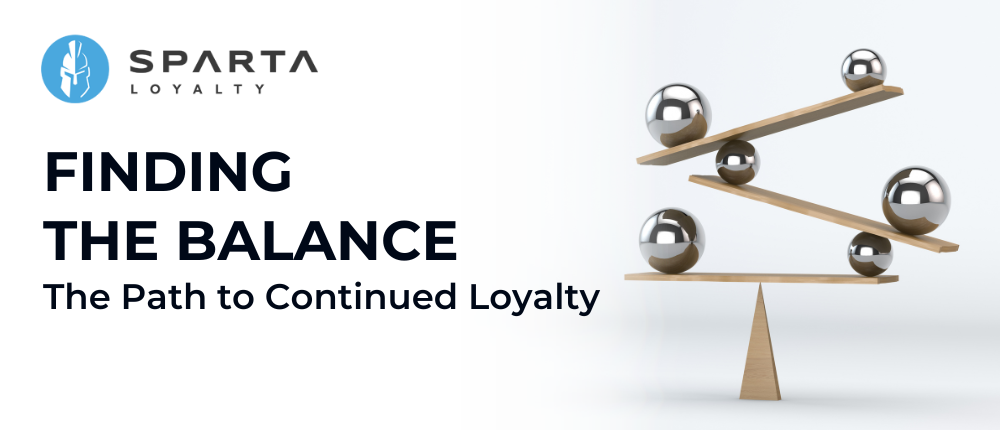
To understand loyalty programs’ essence, we can draw upon the concept of Cartesian dualism, applying it as a framework to describe loyalty programs. This conceptualization allows us to create an axis where the realms of mental and physical loyalty intersect.
The emotional state of customers exists separately from the physical interactions within loyalty programs. The mental realm represents customer experience, while the physical realm encompasses how customers engage with the program. Though distinct, these realms converge and must be harmonized to create an effective loyalty program.
When Two Worlds Collide: The Intersection of Exclusivity and Omnichannel Experience
In an era where customers seek both an omnichannel experience and a sense of exclusivity, the point where these two realities intersect becomes crucial. Companies increasingly value their loyal customers, recognizing loyalty programs’ potential in nurturing these relationships.
Achieving this union is no easy task. Balancing customer requirements with a company’s financial goals demands careful consideration. Companies often face challenges of over-investing in technology, personalization, and experiences that yield limited returns on investment. On the other hand, some companies fail to keep pace with modern options, rendering their loyalty programs outdated. It is vital to remember that the success of a loyalty program extends beyond bottom-line returns. Providing products and services that make customers feel valued and trusted can lead to word-of-mouth referrals, which hold far greater value than acquiring new customers.
“The key to successful courtship between the customer experience and participation in a loyalty program is to make it feel seamless and habitual while reinforcing a consistent positive feedback loop,” says Alexander Kubicki, Head of Marketing and International Sales at Sparta Loyalty. “Humans are complicated, and in troubled times, they seek familiarity and comfort, especially in branding.“
The Tools of Success: Nurturing the Mind-Body Connection
To achieve a harmonious balance between the mental and physical realms of customer loyalty, several factors come into play:
1. Become enthralled with your customers: By directly engaging with customers and understanding their feelings and behaviors, loyalty programs can gather valuable insights. New Balance exemplifies this approach with its “New Balance Club” program. Through their mobile application and extensive communication channels, they have created a personalized experience, gathering feedback and building solid relationships.
2. Prioritize your best customers: Rewarding and appreciating loyal customers is paramount. Briju’s “Więcej Blasku” loyalty initiative excels at this approach. With a tiered loyalty program and exclusive events, they foster a sense of exclusivity and appreciation, ensuring their most active members stay loyal.
3. Stay true to your mission: Playing to your business’s strengths and focusing on what customers enjoy the most is essential. Amazon, led by Jeff Bezos, has revolutionized retail convenience through Amazon Prime. By consistently investing in customer convenience, they have transformed the online shopping experience, aligning their loyalty program with their core mission.
4. Surprise and delight: Creating unexpected and extraordinary actions or offers can evoke heightened emotions and positive reinforcement. Known brands like The Body Shop, Bath and Body Works, and MAC Cosmetics excel in this area, rewarding customers with exclusive event invitations and personalized benefits. Such gestures prompt customers to share positive experiences, generating valuable word-of-mouth marketing.
5. Integrate loyalty seamlessly: Leverage technology and multiple platforms to enhance the efficacy and efficiency of your loyalty program. Embracing different payment methods, such as cryptocurrencies, as seen with companies like Starbucks and Amazon, adds a layer of convenience and technology integration.
Finding the Balance: The Path to Continued Loyalty
In conclusion, by attaining a synergistic balance between the mental and physical realms of customer loyalty, businesses can create successful loyalty programs not only in 2023 but also in the future. Businesses can cultivate enduring customer loyalty by implementing the abovementioned strategies and intertwining customer experience with utility. Remember, loyalty is a dance that harmonizes the mind and body of customer relationships.
The post Loyalty Unveiled: The Dance of the Mind and Body in Loyalty Programs appeared first on Sparta Loyalty is Europe's leading Omnichannel Loyalty Ecosystem provider.
]]>The post Unveiling the Power of Gift Card Programs: A Comparative Analysis of Implementation Strategies appeared first on Sparta Loyalty is Europe's leading Omnichannel Loyalty Ecosystem provider.
]]>Understanding Traditional Gift Card Programs:
Traditional gift card programs involve selling and distributing physical gift cards, typically purchased from a retailer and given as gifts. These cards have a preloaded value and can be redeemed for products or services at the designated retailer. While traditional gift cards have effectively generated sales and attracted new customers, they often lack personalization and restrict redemption options.
The Rise of Digital Gift Card Programs:
Digital gift card programs have emerged as game-changer, revolutionizing the gift card landscape. These programs leverage technology to offer electronic gift cards that can be purchased, sent, and redeemed online. Digital gift cards provide a seamless and convenient gifting experience, allowing recipients to access their gift cards instantly and redeem them through various channels.
Critical Differences in Gift Card Implementation Strategies:
1. Flexibility and Convenience:
Traditional gift cards are typically limited to in-store redemption, requiring recipients to visit the retailer physically. In contrast, digital gift card programs offer greater flexibility by enabling online and in-store redemption options. Customers can conveniently redeem their digital gift cards through e-commerce platforms or present them on their mobile devices at physical stores, enhancing convenience and customer satisfaction.
2. Personalization and Customization:
Digital gift card programs provide opportunities for personalization and customization. Retailers can incorporate unique designs and personalized messages and even allow customers to upload their images, making the gift card experience more memorable and tailored to the recipient’s preferences. Personalized gift cards create a sense of exclusivity and elevate the overall gifting experience.
3. Enhanced Tracking and Analytics:
Digital gift card programs offer robust tracking and analytics capabilities. Retailers can monitor the usage, redemption patterns, and customer behaviors associated with digital gift cards. This valuable data provides insights into customer preferences, allows for targeted marketing campaigns, and enables retailers to optimize their gift card strategies for better results.
Venezia’s Success in Gift Card Implementation:
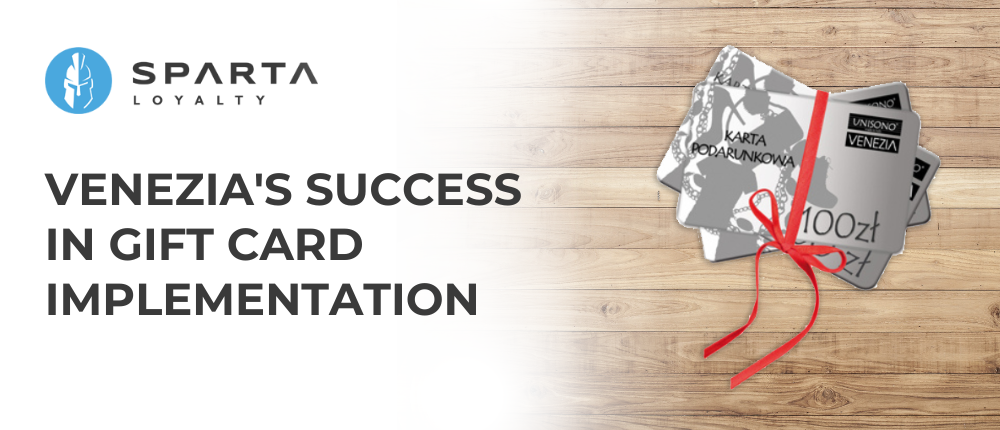
Venezia, a famous footwear and leather goods store in Poland, has successfully implemented gift card programs. Through their collaboration with Sparta Loyalty, Venezia has seamlessly integrated gift cards into their overall customer engagement strategy. By offering digital gift cards, Venezia has expanded their reach and provided customers with a convenient gifting solution. Customers can now purchase and send digital gift cards through Venezia’s online platform, while recipients enjoy the flexibility of redeeming them online or at physical stores.
Venezia’s gift card program stands out due to its personalized designs, customization options, and integration with Sparta Loyalty’s omnichannel approach. The ability to offer a visually appealing and personalized gift card and the convenience of multiple redemption channels have dramatically contributed to Venezia’s success in boosting customer satisfaction and driving sales.
“Beautiful, durable, and original shoes can be a wonderful gift for our loved ones. However, choosing footwear for someone can be doubly challenging. On the one hand, we need to know the recipient’s taste and, on the other hand, their exact foot measurements. Even if we know the size, we may still struggle to find shoes that fit the individual perfectly. That’s why we introduced gift cards to our offer, allowing our customers to give their loved ones a unique present while giving them complete freedom to choose the type, color, and size of the footwear. This ensures that the gift will succeed,” explains Dariusz Gawryś, Financial Director at ARTIMOD SA (formerly VENEZIA Oganowska Nachiło sp.j.).
For more information about Venezia’s success, please click here.
Conclusion:
Gift card programs have evolved significantly, with digital gift cards revolutionizing the industry by offering flexibility, personalization, and enhanced tracking capabilities. The success of Venezia’s gift card implementation is a testament to these strategies’ power in driving customer engagement and loyalty. By embracing the advancements in gift card technology and leveraging the opportunities they provide, businesses can unlock new avenues for growth and create meaningful connections with their customers. As the popularity of gift card programs continues to soar in 2023, it is crucial for businesses to adopt innovative and customer-centric approaches to stay competitive in the dynamic retail landscape.
The post Unveiling the Power of Gift Card Programs: A Comparative Analysis of Implementation Strategies appeared first on Sparta Loyalty is Europe's leading Omnichannel Loyalty Ecosystem provider.
]]>The post Sparta Loyalty’s Churn Prediction appeared first on Sparta Loyalty is Europe's leading Omnichannel Loyalty Ecosystem provider.
]]>Follow the link for the full report!
Follow the link for the full report!
Follow the link for the full report!
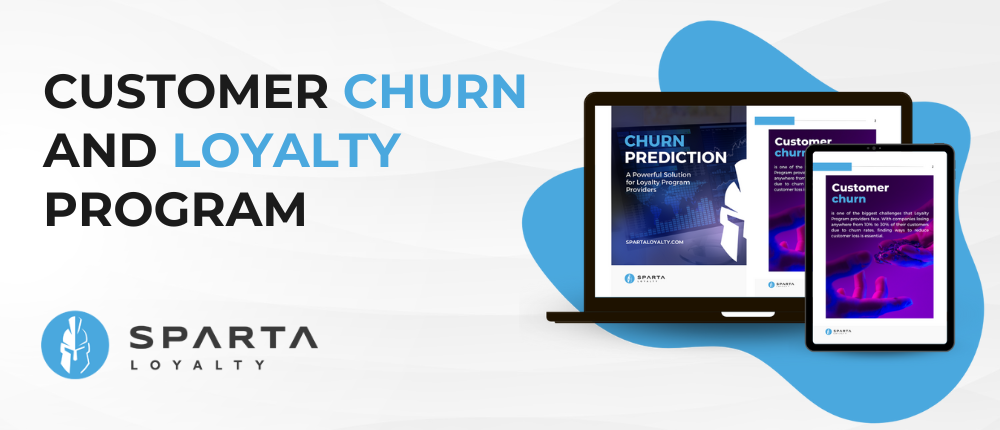
Churn prediction is a powerful solution for Loyalty Program providers to tackle one of their biggest challenges: customer loss. Sparta Loyalty’s Churn Prediction software is designed to provide Loyalty Program providers with the ability to identify the cause of customer loss and activate customers at risk of leaving or not completing their purchase. Its various features, including customer segmentation, churn indicators, and dynamic segment updates, enable businesses to identify pain points in their products and services and work on solutions to retain their customers.
Using artificial intelligence, the software can predict customer actions and align them with defined rules for customer retention, allowing marketing and sales teams to respond accordingly with a range of potential activities, both in-person and digitally. This results in a possible revenue increase of tens and hundreds of thousands of euros by reducing customer churn rate by up to 20%.
The software’s ability to choose an indicator when defining a segment allows for more targeted marketing and communication efforts, significantly reducing customer churn rates. Loyalty promotions and communication can use an attribute in creating loyalty promotions and sending communications throughout the customer loyalty base, which helps retain customers.
In conclusion, Sparta Loyalty’s Churn Prediction software is an excellent solution for minimizing customer churn and retaining loyal customers. The potential revenue increase resulting from the reduction in customer churn is a compelling reason for businesses to invest in this solution.
The post Sparta Loyalty’s Churn Prediction appeared first on Sparta Loyalty is Europe's leading Omnichannel Loyalty Ecosystem provider.
]]>